
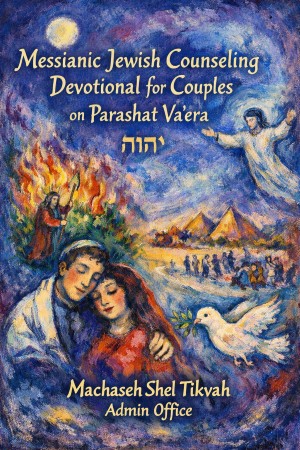
Messianic Jewish Counseling Devotional for Couples on Parashat Va’era
Parashat Va’era: “Listening Again When Hearts Are Weary”
Va’era / Exodus 6:2–9:35
Listen to your Devotional HERE
Series Transition Note
Parashat Va’era continues the journey that began in Shemot, moving from the awakening of calling into the weight of waiting. Promises have been spoken, but circumstances have not yet changed. For couples, this mirrors seasons when commitment remains, yet emotional energy feels depleted. In trauma-informed work, we recognize that hope can feel threatening when disappointment has been repeated. Va’era affirms that weariness is not a failure of faith or commitment; it is a human response to prolonged pressure.
Core Theme for Couples
Relearning how to listen, with compassion and safety, when stress, trauma, or discouragement have reduced emotional capacity for hope, trust, or connection.
Devotional Reflection
In Parashat Va’era, G-d reveals a deeper aspect of divine presence:
“I am the LORD (YHWH)… I have heard the groaning of the Israelites.”
(Exodus 6:2, 6:5)
This moment is less about power and more about attunement, a G-d who hears suffering before demanding response.
Yet when the message of hope is shared, the people cannot take it in:
“They did not listen… because of shortness of spirit and hard labor.”(Exodus 6:9)
From a trauma-informed perspective, this response reflects nervous system overload, not defiance. When stress is chronic, the body prioritizes survival over processing new information, even good news. In relationships, partners may appear distant, quiet, or disengaged during these seasons. Va’era invites couples to view such moments with compassion rather than judgment.
Yeshua’s invitation echoes this gentleness:
“Come to Me, all who are weary and burdened, and I will give you rest.”(Matthew 11:28)
Rest restores the capacity to listen.
Couples Counseling Insight (Trauma-Informed & CBT-Aligned)
Va’era highlights a key principle: people cannot receive hope when their system is overwhelmed.
Common stress-based beliefs couples may experience include:
- “I don’t have the energy to talk about this.”
- “Hope feels risky.”
- “If I let myself believe again, it will hurt more.”
Trauma-informed CBT emphasizes:
- Safety before problem-solving
- Validation before change
- Regulation before communication
G-d’s response in Va’era models this order. He does not demand belief first. He acts faithfully, creating conditions where trust can gradually return.
Devotional Exercises for Couples
1. Creating Emotional Safety
Take turns completing this sentence:
“When I feel emotionally overloaded, what helps me feel safest with you is __________.”
The listening partner responds only with:
“Thank you for telling me.”
This practice reinforces safety and reduces relational threat.
2. Holding Promises Gently
Read Exodus 6:6–8 together, or reflect on the idea of steadfast commitment in your shared values.
Discuss:
- Which words or ideas feel comforting right now?
- Which feel overwhelming, and why?
There is no requirement to feel hopeful. Noticing your response is enough.
3. Grounding Prayer / Reflection
Source of Life and Compassion,
You see the weight we carry and the limits of our strength.
Help us be gentle with ourselves and with one another.
Restore our ability to listen without fear and to hope without pressure.
Guide us toward healing, connection, and trust, step by step.
In Yeshua HaMashiach’s Name, Amen.
Closing Encouragement
Parashat Va’era reminds us that covenantal love, divine or relational, does not withdraw in seasons of exhaustion. Whether your journey is rooted in shared faith, interfaith dialogue, or spiritual exploration, this portion affirms that being weary does not disqualify you from redemption or connection.
May your relationship be marked by patience, safety, and the quiet return of trust. Shabbat shalom.
Request your Devotional at: contact@machasehsheltikvah.org
Machaseh Shel Tikvah Admin Office
Series Note: This devotional is part of “Walking Together in Covenant,” a Messianic Jewish Counseling Devotionals for Couples series from Machaseh Shel Tikvah (Shelter of Hope) for Counseling, a member of the Village of Hope & Justice Ministry Family.